Open Area
Credits
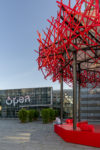
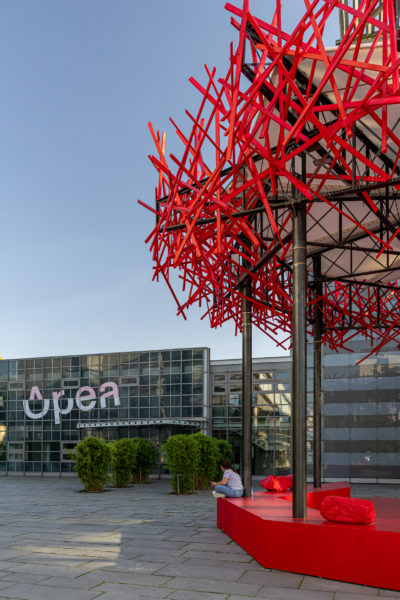
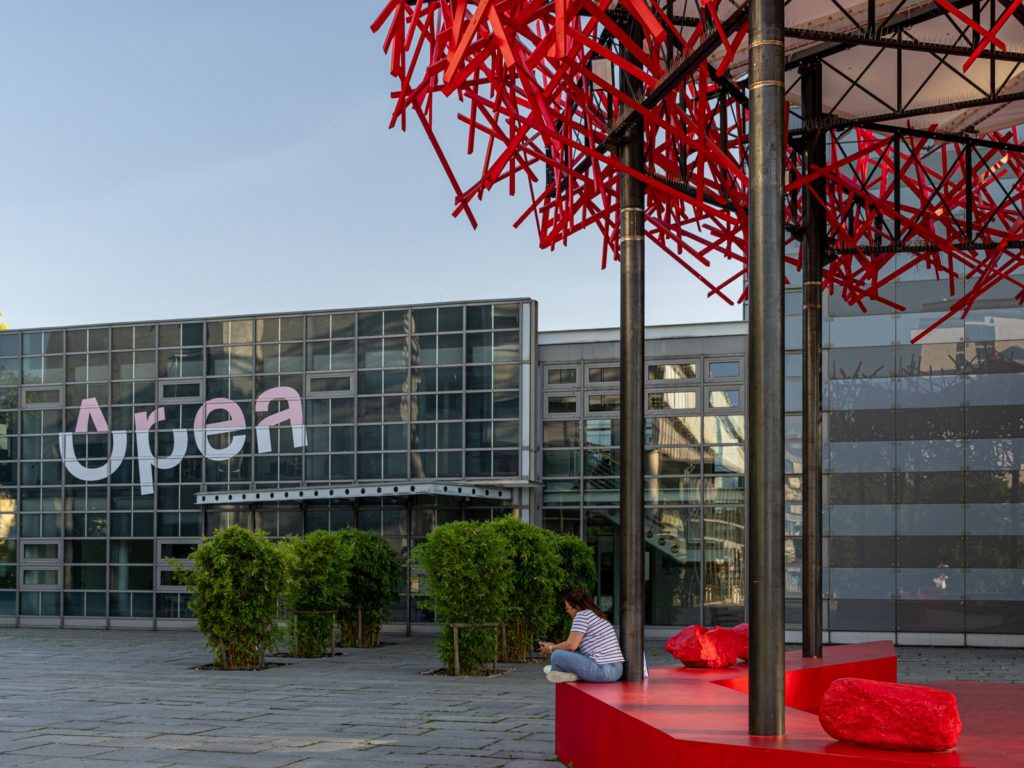
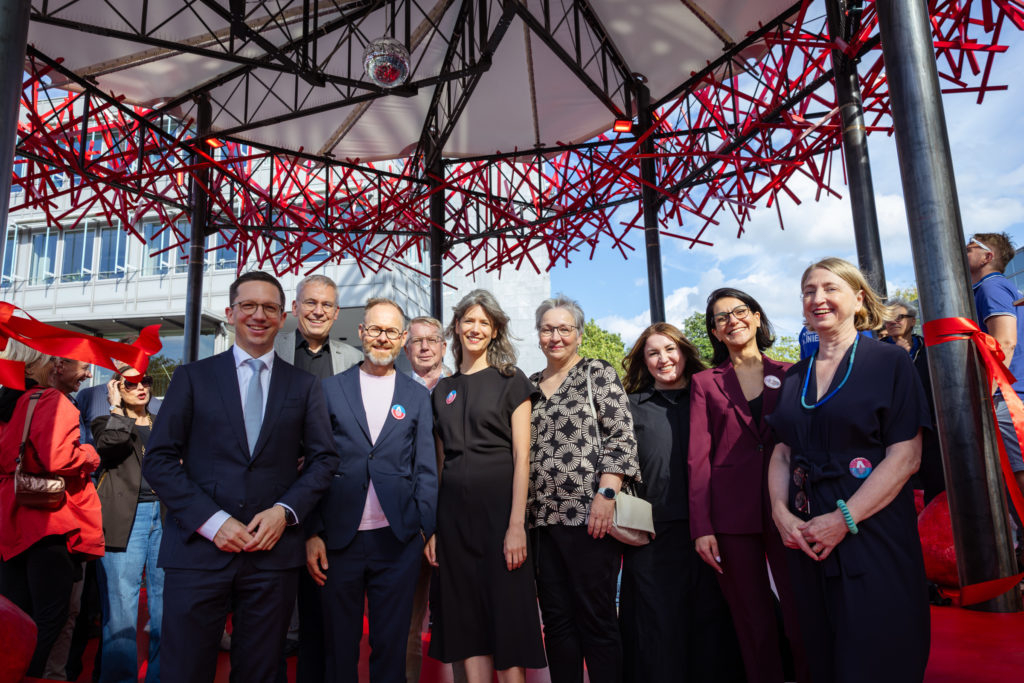
View of the Open Area at Hollerplatz, Kunstmuseum Wolfsburg, 2026: photo: Marek Kruszewski

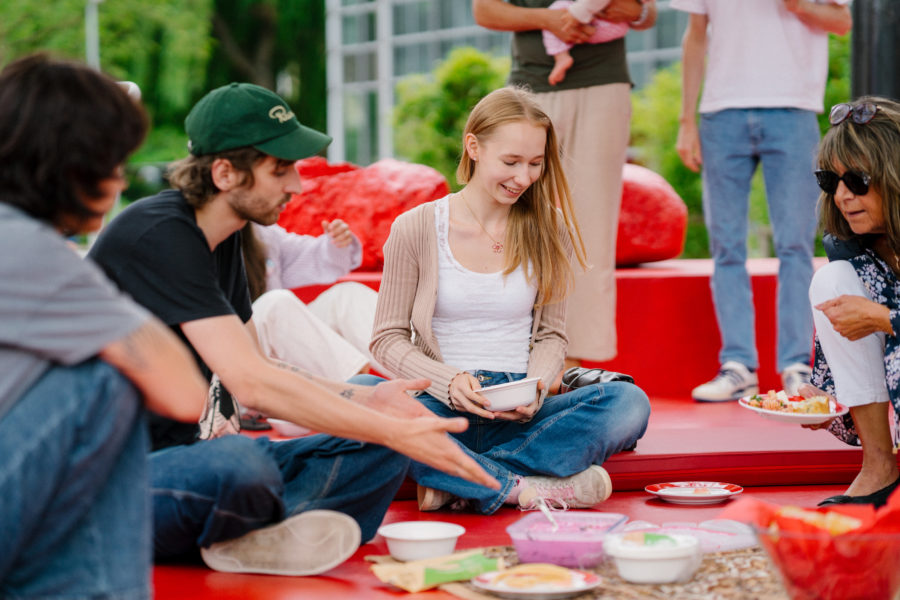
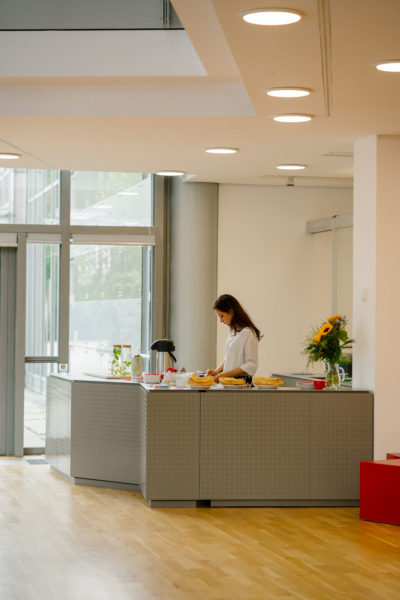
Potluck in the pavilion (Koralle) with the Jugendforum Wolfsburg, Open Area, Kunstmuseum Wolfsburg, 2026, Photo: Till Mattmüller

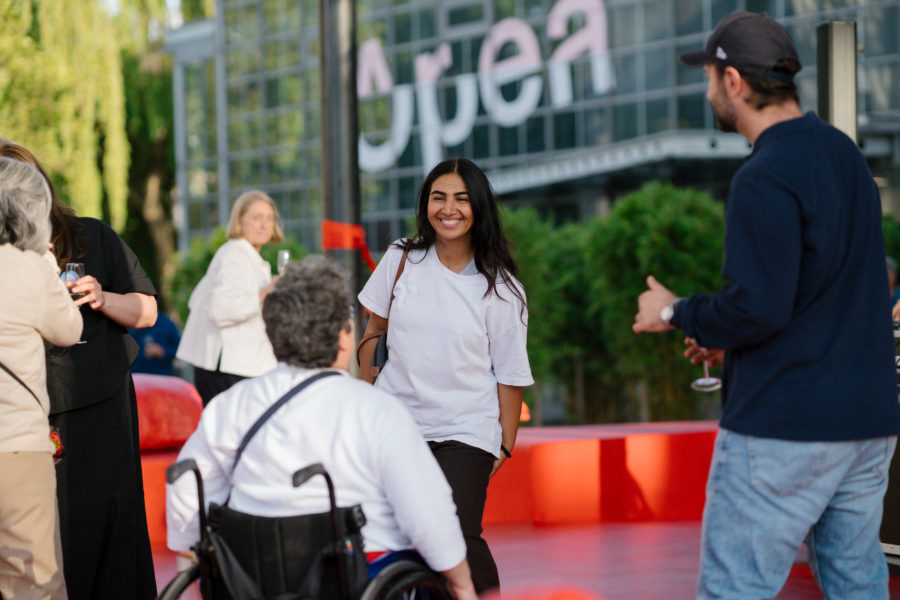
Opening night Open Area, Kunstmuseum Wolfsburg, 2026, Photo: Till Mattmüller
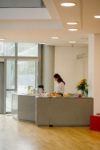
Open Kitchen with the Jugendforum Wolfsburg, Open Area, Kunstmuseum Wolfsburg, 2026, Photo: Till Mattmüller

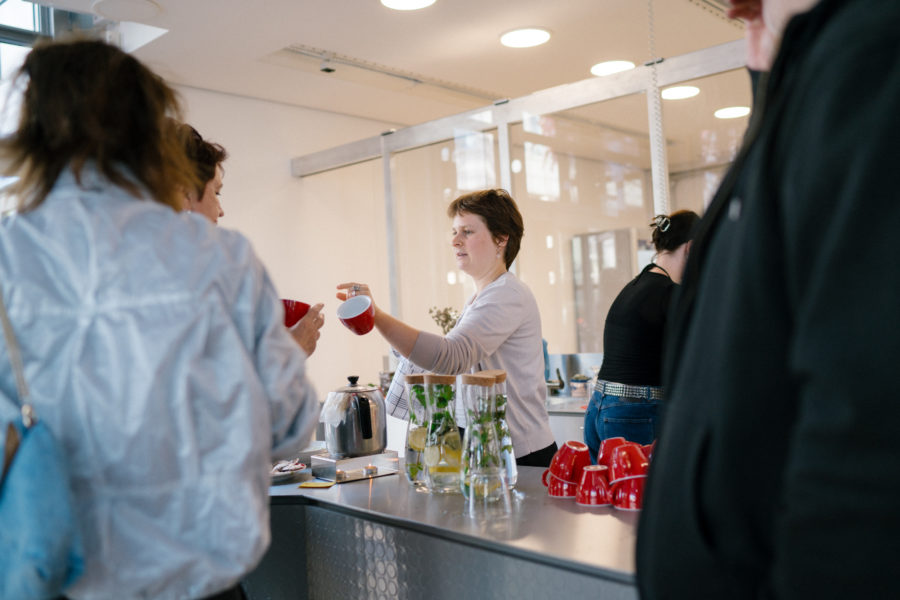
Visiting the Open Kitchen: EU project SPOON of the Hochschule Bildende Künste Braunschweig, Open Area, Kunstmuseum Wolfsburg, 2026, Photo: Till Mattmüller
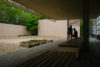
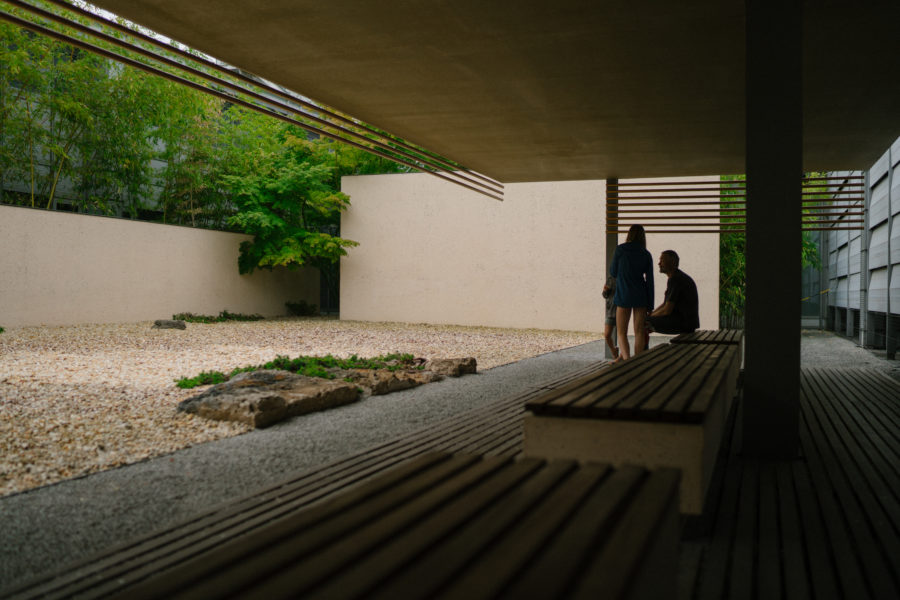
Open entry to the Japanese Garden, Open Area, Kunstmuseum Wolfsburg, 2026, Photo: Till Mattmüller
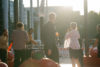
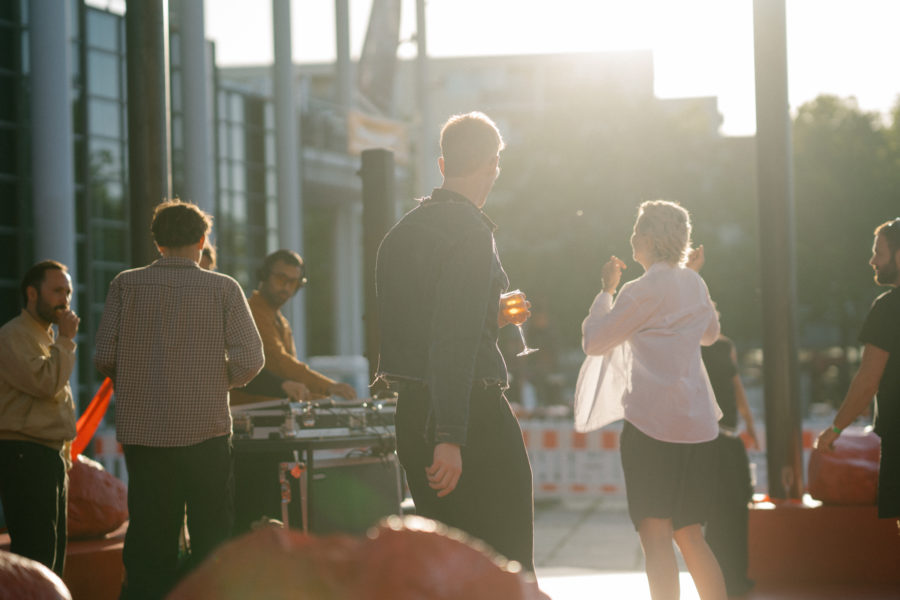
DJ session with DJ SU in the Koralle, Opening night Open Area, Kunstmuseum Wolfsburg, 2026, Photo: Till Mattmüller
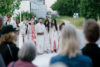
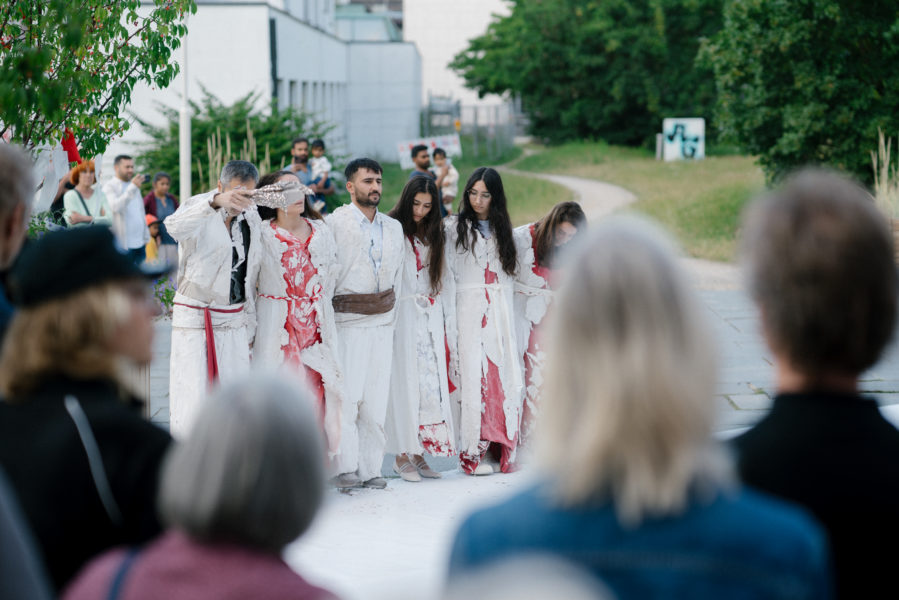
Performance „Kras û Fistan / Da Seve“ under the artistic direction of Ferhat Kartal, Opening night Open Area, Kunstmuseum Wolfsburg, 2026, Photo: Till Mattmüller

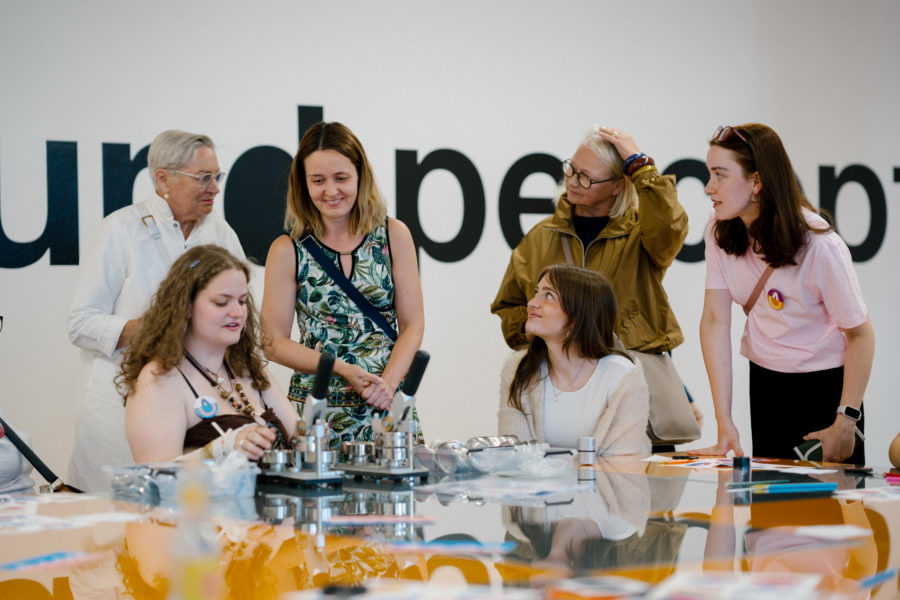
Pin badge station in the Studio of the Open Area, Kunstmuseum Wolfsburg, 2026, Photo: Till Mattmüller
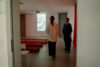
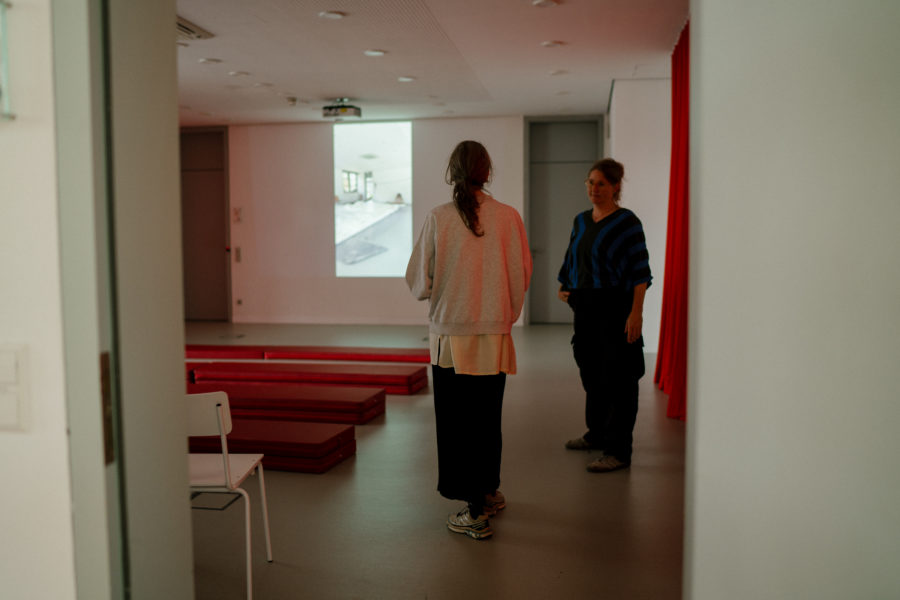
Open screening in the new meeting room ATO, Open Area, Kunstmuseum Wolfsburg, 2026, Photo: Till Mattmüller
Information
The Open Area – a novel space at the Kunstmuseum Wolfsburg. With its surfaces facing the urban landscape, it is available to interested city residents as well as to the region’s immediate and surrounding neighbors. As an open space of participation, the Open Area is free of cost and invites visitors to linger, chat, or join in.
In close correspondence with the subjects of the current exhibitions, the art mediation team develops formats such as workshops, pop-up events and discussions in collaboration with local initiatives, associations and partners of the City of Wolfsburg. The Open Area is a learning system: It considers itself as a platform for current issues. Here, we come together and discuss how we want to live in the future and which part arts and culture can play in our lives.

Rooms
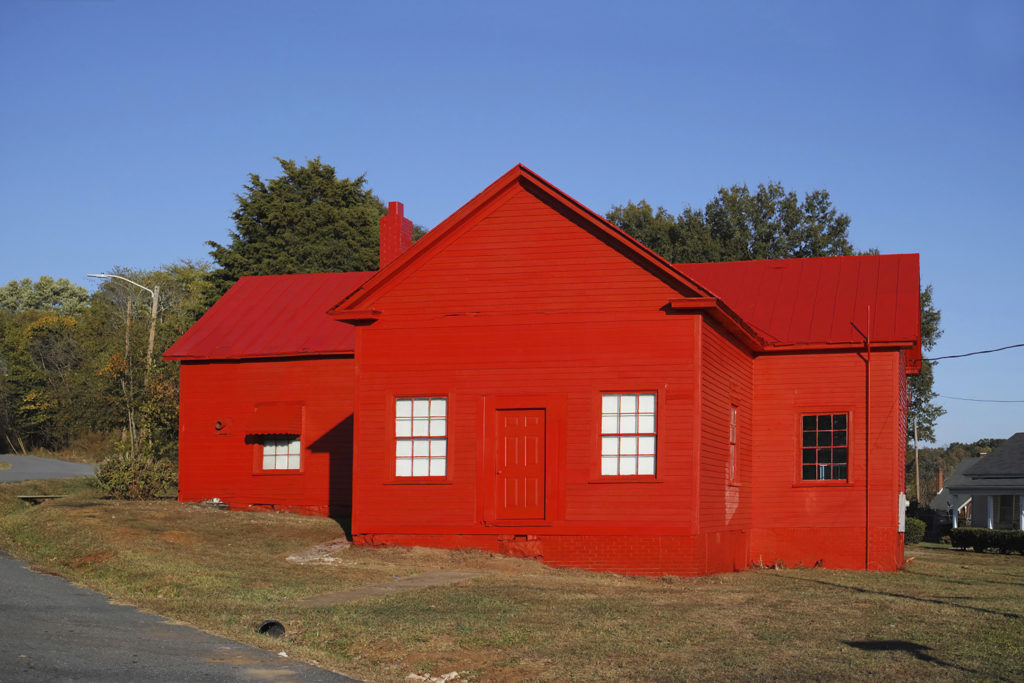
The Open Area consists of the Studio, as an experimental creative space, the room Ato, a place for people to meet, and the pavilion on Hollerplatz that was created by raumlaborberlin. With its direct access to the Japanese Garden, the Open Area also offers a unique atmosphere that blends indoor and outdoor spaces to create a place of inspiration. The varied program and upcoming events can be found in our event calendar and on the Open Area’s Instagram account. We put together answers to frequently asked questions in our FAQs.
Use
The program of the Open Area is open for participation and evolves organically through inspiration drawn from the urban environment. As free public space, the area is not intended for commercial use during the opening hours or whilst events are taking place in the Open Area. We ask everyone who is interested in using the space to employ the spirit of community and see it as a place for exchange and inspiration.
If you have any enquiries regarding partnerships or specific project ideas, please feel free to contact openarea@kunstmuseum.de . For exclusive bookings outside of our normal schedule, please contact our event management team.
Come by, bring your ideas and your friends. We’re looking forward to seeing you in the Open Area!
Magazine
FAQ
Why is there an Open Area?
As a museum with a societal mission, we want to work together with the local community even more closely and establish a ‘third place’ in Wolfsburg that is open for everyone. The Open Area is our playground for exploring social issues, participation and democratic coexistence.
What can I do in the Open Area?
Here, you can actively get involved or take part in the varied program and engage in almost everything that is communal, creative and connecting. The rooms create space for exchange without the pressure to consume and act as inspiring meeting place for a wide variety of activities. These include readings, workshops, concerts, cooking events, artistic interventions, dancing, group discussions and much more.
Where do I find the Open Area and when is it open?
The Open Area is situated on the ground floor of the Kunstmuseum Wolfsburg. It consists of the Studio, room Ato and the Japanese Garden, all of which offer a clear connection the surrounding urban space or the Hollerplatz. The Open Area does not have regular opening hours. The program can be found in our event calendar or on Instagram. The pavilion in front of the museum is the special exception. It is open to the public all year round and can be used as a public area outside of the event schedule.
How can I take part in the program?
The Open Area events are free of charge and open to everyone, there is no need for a museum ticket. You can either drop by spontaneously and be inspired, or pick out specific events from our event calendar. If you have an initiative or a project idea of your own that would be a good fit for the Open Area just send us an e‑mail to openarea@kunstmuseum.de – we are looking forward to hearing new ideas!
In collaboration with:
In collaboration with the Youth, Education, Integration and Social Affairs Department of the City of Wolfsburg.
Supported by:
Supported by funds from the Federal Government Commissioner for Culture and the Media (BKM) through the federal program “Investments in Nationally Significant Cultural Institutions in Germany (INK).”